Has lightning struck your home recently? Then you may be wondering where you stand in terms of chimney care. If you’ve looked your system over and don’t see anything alarming, you may think you’re good to go, but this isn’t typically the case. Because chimneys are usually the highest point of the home, it’s common for them to experience some damage, so having a professional look things over is essential. 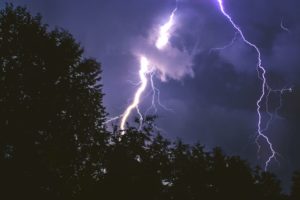
Already had a roofer or mason check it out? You may not be out of the woods yet. Unfortunately, these experts aren’t the ones you’ll want to trust when it comes to your chimney (especially the interior). They’ll likely look over the outer areas of your home, note the condition of parts that are easily accessible, and then be on their way.
Unfortunately, fixing only the outside of your home and chimney doesn’t solve the problem. If there’s damage inside, your household will still be at risk, and it doesn’t do you any favors in terms of getting necessary insurance coverage either.
All too often, homeowners miss out on necessary repairs because they didn’t invest in that professional and thorough inspection from a CSIA-certified chimney professional. If this is the position you find yourself in, the time to reach out to us is now. Learn more about what the helpful team here at Lords Chimney can do for you.
All About Our Level 2 Inspections
At Lords Chimney, we provide in-depth level 2 inspections, ensuring your system is taken care of no matter what. A level 2 inspection includes the use of high-quality camera equipment that we snake up the flue to get the best possible look at your chimney’s interior [https://www.csia.org/inspections.html].
A level 2 inspection will give your adjuster a clear picture of what you need moving forward. With the help of our cameras and our experienced crew, they’ll be able to correctly assess the damage you’re facing, ensuring you have everything you need to patch things up correctly.
Trust us – your adjuster wants to help you out! Hire us to assist, so they can get the most accurate information possible.
When else is a level 2 inspection recommended? Essentially after any natural disaster. These might include hurricanes, tornados, earthquakes, floods, and the like. They’re also required when buying/selling property, after chimney fires, or after investing in any major renovations or reconstruction work.
Not a Direct Hit?
Sometimes we hear from homeowners who experienced a lightning strike somewhere other than their chimney. If it was another part of the house that was hit and the chimney seems fine, is an inspection really necessary?
Short answer? Yes! Anytime lightning strikes any area of your home, scheduling a chimney inspection is recommended. Lightning doesn’t have to hit directly to cause damage, and many times those areas that are well-concealed and rarely thought of (like your chimney flue) are the ones in most need of extensive repair work. Don’t take any chances, and get that inspection scheduled as soon as you can.
What Happens if I Avoid Care?
We get it. Scheduling maintenance is never a fun or exciting chore, and it may feel like the easier route to just put chimney care on the back burner for now. Yet, if you know damage may have occurred, avoiding a professional inspection could put your loved ones in harm’s way, which is why we so strongly urge homeowners to make that call to our team.
One of the things that could occur during a lightning strike is a chimney fire. If your flue has higher levels of creosote, it wouldn’t be unusual for things to ignite after that bolt of lightning hits. And many times chimney fires are quiet events that go unnoticed, which means your system could be suffering without you even realizing it!
If a chimney fire didn’t occur, you could still experience damage that puts your home at risk. Interior damage causes holes, cracks, and gaps to form throughout your liner, which then leads to dangerous fumes (smoke, carbon monoxide, etc.) entering your home.
Along with this, your chances of experiencing a house fire will increase significantly. When your liner is compromised, the heat and flames from your fires will have direct access to your walls and woodwork. It doesn’t take long for these flammable materials to catch on fire once they get hot enough, and once those flames get going they’re hard to stop.
In the end, it’s well worth taking a few extra precautions to ensure your home is well taken care of. You’ll avoid expensive, time-consuming home repairs, and there’s no putting a price on your family’s safety.
We’re on Your Side!
When catastrophe strikes your home, you need someone on your side who will ensure you’re taken care of. When it comes to working with insurance companies, it can feel like an uphill battle to get the appropriate coverage you need to move forward. That’s why we want to help make things easier.
When you rely on Lords Chimney, you can rest easy knowing we have the tools and knowledge necessary to give you the most in-depth and accurate assessment possible. And when it comes to repairs, we’ve got you covered there, too! Play it safer and get the care you deserve by relying on our crew every step of the way. We’re just a phone call away.
Sick of birds setting up camp in your flue? Are squirrels and other critters scrambling throughout your chimney? Stressed about water-related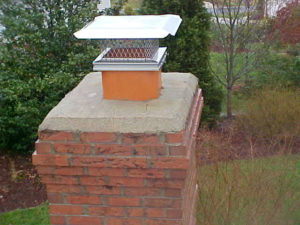 masonry damages this fall? An easy way to resolve all of these worries is to invest in a high-quality, sturdy chimney cap and to have our team of professionals install it for you.
Not sure where your current cap stands or whether or not it’s actually being effective? We’re here to help. Learn more about chimney cap basics below, then reach out to our crew with any questions. We’re always eager to lend a hand and keep our customers safer, more knowledgeable, and completely prepared for it all.
Matching the Right Cap to the Right Chimney
Now, not all caps are created equal, and the type of cap you’ll need will depend on the type of fireplace you have. If things aren’t matched up appropriately, you’ll end up with a lot of issues, and you’ll invite all kinds of hazards and dangers into your home. Fortunately, we know all there is to know when it comes to fitting the best cap for your system, so you’ll be in good hands when you hire our crew for the job!
The biggest thing to remember is that, no matter what type of chimney or fireplace you’re using, a cap is always a must-have component. Without one in place, those birds and woodland creatures will have easy access to your home, and you’ll find yourself with excessive water damage and debris build-up, too.
If a bad storm blew your cap off or if yours seems damaged or misplaced, please don’t hesitate to call us in. We would be happy to look things over and see where you stand, then suggest further services that are best suited to your needs.
How Do I Know I Have the Wrong Cap?
If you have water coming into your home, or if you’re experiencing clogs, then that’s a clear indicator that your cap may need some adjustments. Other common problems we see are issues with the screening. Every chimney needs the right amount of screening, as well as the right type of screening, and without it, your chimney won’t be able to perform properly.
Usually these problems occur when chimney experts are not the ones hired to handle the task of keeping pests out of the chimney. Now, pest control professionals definitely know how to keep pests out of the home, but when it comes to chimneys they often get it wrong.
Essentially, if your screen is prone to experience build-up or if it lays flat, you’ll end up with issues. In both of these cases, nesting materials will block air, and you’ll have smoke backing into your home before you know it.
And while roofers offer some effective temporary fixes, most won’t do much for you long-term. We’ve even seen some take off the right cap and replace it with something less effective! Not good. In the end, hiring a CSIA certified pro is always the best route to take.
Is a Full-Coverage Cap Worth the Expense?
Now, as long as homeowners have some type of cap (whether that be single-flue, an umbrella type, or something else), we’re happy. That being said, you may find yourself replacing the less expensive, simpler models more often, and they aren’t always as effective as covering all of your bases (i.e. preventing animal entry, blocking out debris, stopping water damage, etc.).
The best route is always going to be investing in a full-coverage cap that keeps anything and everything that’s harmful away from your structure. It’s best for the design of the chimney, and it will save you money over time, both on repair/replacement costs and on damages that could occur throughout the system.
Should I Be Worried About Chimney Swifts?
Now, one of the animals we worry most about in terms of your chimney is the chimney swift. These small birds may seem like nothing to stress about (especially compared to raccoons, bats, and other bigger critters), but the truth is that removing them isn’t as simple as you might think.
You see, chimney swifts are protected under the Migratory Bird Treaty Act, so once they establish themselves in your chimney, we can’t legally remove them. They’ll have to stay put until they leave on their own, after which we can remove their nests, so you aren’t left with any fire hazards.
And don’t think you’re off the hook once they’re gone! Once they’re done migrating, they’ll want to come right back to the same place they left, so preventing their entry is essential. That’s where an effective cap comes into play. Let us ensure you’re set up right, so you don’t have to deal with the hassle.
Our Qualified Techs are Ready to Serve
You won’t find a team in the Houston area that is more knowledgeable than ours. We have the experience, training, and expertise to ensure all of your chimney-related needs are addressed before your holiday season really takes off. We’d be happy to help you out soon, so please reach out now!
We’re nearing the end of what is typically considered “hurricane season” here in the Greater Houston Area, which means your chimney may need some extra care and attention. Here are some of the main things to look for when assessing your potential chimney damage.
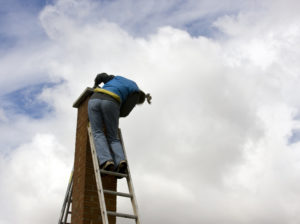 1. Missing Caps & Chase Covers
One of the biggest issues we discover after a hurricane is missing caps and chase covers. When those strong winds come in, your cap is often the first thing to go, and it could be multiple houses away by the time we have the chance to look things over!
And if your cap still seems to be intact, don’t let out a sigh of relief just yet. We’ve seen multiple cases where it gets blown off, only to fall right back into its original spot. This gives the appearance of a properly-fitted cap when in reality it’s barely hanging on.
Needless to say, investing in a new cap or chase cover as soon as possible is an absolute must. These keep out rain and downdrafts, and they prevent animal entry, as well. In the end, an affordable cap can be quickly installed by of our team of experts, and it will wind up saving you a lot of time, stress, and hassle over time.
2. Discoloration
Another indication of severe damage is discoloration throughout your structure. Now, hurricanes typically come in one of two forms – extra windy or extra rainy. If you’ve just experienced one with lots of water, then discoloration is often something you’ll notice in the aftermath.
If you see lots of white, for instance, this is a sign of efflorescence, or lots of green throughout the bricks indicates vegetation growth (a clear sign of standing water). You could also see brown or black patches, which indicates rust, creosote, or built-up soot. In the end, most types of discoloration can be traced back to water damage, so get our certified crew on the job right away if things start to look suspicious.
3. Gaps in Your Brickwork
Excessive wind and rain can easily trigger spalling throughout your system, which weakens your entire structurally significantly. Moisture has a big impact on the strength of your brickwork and mortar, and the more everything crumbles and breaks down, the more vulnerable you will be to gas leaks, fires, and even chimney collapses.
Our experienced crew will get things patched up in no time, and once we’re done we can offer waterproofing products that will help your masonry better withstand water and rainfall.
4. Leaning/Swaying Chimney
One thing we strongly encourage homeowners to do after a bad storm is to walk outside and take a good look at your chimney. Does something look off? If you notice tilting or leaning at all, then you’ll want a solid team of sweeps on the job quickly.
And while you’re looking, watch out for anything else that seems out of the norm. We mentioned discoloration and missing parts, but do you notice rust, cracks in your crown, worn down mortar joints, or anything else awry? Call us in. This is one area where you are always better off being safe than sorry!
Not Sure Where You Stand? Schedule an Inspection or Invest In A Virtual Assessment!
Now, if you’re just not sure what state your chimney is in, the best way to get an accurate assessment is to schedule an inspection. Getting our team out to perform a level 2 inspection will ensure any faults or structural flaws are spotted and addressed as soon as possible.
Or, if you have a busy schedule or you’re just inquiring about some reconstruction or remodeling work, send us a picture! We do virtual assessments, and we typically can give you all of the information you need without even having to come to your house. This saves time and expense on your end, and it can help you make an official decision as to whether or not you want to proceed with any changes or renovations.
You Deserve High-Quality Care
From strange smells to weird noises to worrisome drips, we can put all of your chimney-related worries to rest. The CSIA Certified Sweeps at Lords Chimney are experienced, and we take education seriously, so you can bet we’re always up-to-date on all of the latest techniques, tools, and technologies in the trade.
And remember – the more often you invest in care the better! By having your chimney serviced on a consistent basis, you make sure you get all of the insurance coverage you’re entitled to should a hurricane cause significant damage to your chimney. Regular maintenance offers you a track record that shows what state your chimney was in before the hurricane, so you can prove 100% that the storm was the cause of all your damage.
Ready to get this process going? Great! Give us a call now, and we can get your appointment scheduled.