If you are buying a home, scheduling a home inspection is a necessary step in the process. Yet, many home buyers mistakenly believe a home inspection includes a thorough and in-depth look at the fireplace and chimney. This is not the case! Home inspectors are not actually required to inspect various parts of your chimney. This means you could be missing out on important information regarding your potential home purchase.
What’s Not Included?
Some of things home inspectors are not required to inspect are seals, gaskets, doors, vents, and any interiors that are not easy to access. Their standard of practice states that anything not “readily accessible” does not need to be inspected. That means the interior of the chimney itself was likely not even looked at!
While home inspections are beneficial in many ways, hiring a certified chimney tech to inspect your fireplace and determine whether or not it is safe for regular use is necessary for making a smart decision when seeking out your new home.
Level I, II, & III Chimney Inspections
At Lords Chimney, we are CSIA certified, which means we can perform top quality inspections, no matter what your fireplace needs. When the technician comes to your home, they will perform either a level I, a level II, or a level III inspection. Learn more about these below!
Level One – A level one inspection occurs when you have had no major issues or changes with your fireplace throughout the past year. This inspection is a basic overview of all the parts. We check to ensure everything is running smoothly and that no obvious repairs are necessary. Also, we will determine whether or not a sweeping is in order and will make sure the venting systems are clear.
Level Two – Level two inspections are a bit more extensive. A camera will be used to check the interior systems. We will check for water damage, correct measurements, chimney caps, and more. These types of inspections are for buying and selling homes or for when a chimney has faced damage or recent renovations.
Level Three – Level three inspections are less common and are done when more widespread damage is discovered. Certain parts of the chimney may need to be removed for us to discover the issue and resolve it.
Any Questions?
Knowing what to expect from your chimney company can be tricky. If you have any questions at all, feel free to give the staff at Lords Chimney a call 281-497-4000. We will be more than happy to assist you. We will provide you with all of the answers and advice you are looking for.
While regular cleanings and maintenance are an important part of fireplace upkeep, many homeowners fail to realize that the firewood they use can also impact the performance of their wood-burning appliances. Although the type of firewood you use is ultimately a personal preference, there are many different factors to keep in mind before making a large firewood purchase for the season.
Using unseasoned firewood can trigger lots of issues like excess smoke, less heat, and more creosote accumulation (which can then trigger unpleasant odors and structural issues). All in all, it’s well worth it to either season your own wood pile or take the time necessary to examine the wood you purchase, ensuring it’s adequately dried out and ready to burn.
Hard Woods vs. Soft Woods
All firewood can either be categorized as a hard wood or a soft wood.
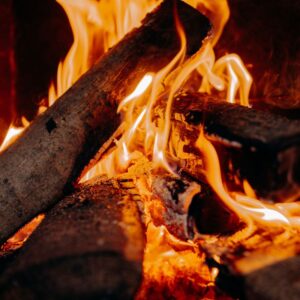 Hard woods: Hardwoods are heavy, dense woods from trees whose leaves change color in the fall. Because of this, hardwoods are known for creating more heat, having longer-lasting fires, and creating more coal beds. The most popular hardwoods are often varieties of elm, birch, maple, and oak.
- Soft woods: Softwoods are most commonly identified by their needle leaves, and includes species such as firs, spruces, pines, and evergreens. Softwoods are quick to ignite and produce more smoke than most hardwoods. Because they burn at a lower temperature, softwoods are often popular choices for fires during the milder temperatures of fall and spring.
Most homeowners favor hardwoods for the bulk of their fires, but many keep a small amount of softwood around to be used as kindling when starting a fire. Likewise, softwoods are extremely popular with those who use their wood-burning appliances for smoking meats due to their strong flavors.
Buying Wood Local: Things to Consider
Another factor to consider when shopping for firewood is where it was grown and harvested. Because tree-killing insects and bacteria can still reside on firewood, transporting wood long distances can expose local trees to dangerous infestations.
As a general rule, homeowners should try to buy firewood that was grown less than 50 miles from their home, while many experts agree that less than 10 miles is ideal.
Packaged, heat treated firewood is generally considered safe to move, and is ideal if you’re looking to purchase wood before an out-of-state camping trip. This wood is usually labeled with the USDA APHIS treatment seal.
Importance of Proper Wood Seasoning
Equally important to the type of firewood you buy is how long it has been seasoned for.
Seasoning is the process during which freshly chopped firewood is allowed to dry when exposed to sun and wind. This practice removes the majority of the water from the wood, reducing the moisture content from as high as 50% to as little as 15%.
Most firewood should be seasoned a minimum of 6 months, while many experts agree that when done properly the seasoning process can take up to a year. Even wood that has been cut from dead or fallen trees still needs to be seasoned.
Why is firewood seasoning important?
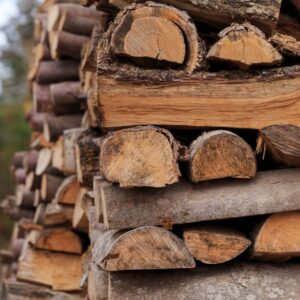 Avoiding Excess Smoke: When fresh wood is used in a fireplace, the flames are forced to use up a ton of energy burning through all that extra water. This triggers smoke to build up and pour out into your living room, quickly turning a cozy evening in into a disaster. Smoke in your home is also an issue when it comes to the health of loved ones. Toxins and fumes from your fireplace should never be inhaled, and they could trigger some serious illnesses.
- Lowering Creosote Accumulation: Burning unseasoned firewood triggers a more rapid accumulation of creosote. Creosote forms as fires burn in your chimney and, when there’s a lot of it, you face some serious risks. Too much creosote can easily cause a chimney fire to form, meaning you’ll be spending a lot of time and money on necessary repair jobs.
- Experiencing More Efficiency: When you burn fresher wood, you’ll experience less heat output from your fire, which isn’t good when you’re trying to save money on your monthly heating bills. While winters aren’t typically too harsh around here, that doesn’t mean we don’t experience lower temperatures. Many invest in a fireplace so that they have a better, more cost-effective way to heat their home when things get cool.
How To Pick Seasoned Firewood
It’s easy to make sure you’re picking the best fuel for your fires this holiday season. Look for logs that are lightweight, dark and split at the ends, and that makes a hollow sound when hit together. These surefire signs indicate that the wood has been adequately dried out – and that your fires will burn much better going forward.
What would should I avoid?
Although it may seem like an excellent way to recycle, old wood from decking, fencing, or playground equipment should not be used as firewood. Unlike regular firewood, these woods are typically treated with stains, paints, or other chemicals to make them more resistant to the elements. Because of this, burning pretreated wood can release a cocktail of poisonous substances into the air.
The Environmental Protection Agency (EPA) recommends to “never burn coated, painted, or pressure-treated wood because it releases toxic chemicals when burned.”
Storing Your Own?
Obviously, the most surefire way to get exactly what you want from the wood you burn is to season your own. Store it in a place that is open, yet protected, such as a wood shed with open sides and a sturdy roof, and let it sit for at least six months before putting it to use. Ensure the pieces are cut short and split on the ends to get things moving faster.
Need Fireplace Maintenance? Call On Us
If your wood pile is ready to go, and you’re ready to put your system to use, call us in for your annual inspection. Our team is CSIA certified and ready to serve, guaranteeing you a safer and better functioning system every single year.
There’s no time to lose – call or reach out online today!