Fireplace Energy Efficiency Tips for Winter Heating

As Texans know, enjoying mild winters doesn’t mean there’s never a chill in the air. And when colder temperatures set in, homeowners here can enjoy the warmth and ambiance a fireplace provides. The attractiveness of a fireplace as a heat source, however, can be undercut by inefficiency.

That’s why it’s wise to think about ways to maximize the quality and efficiency of your fireplace and chimney performance – not only for potential savings on utility costs, but for the long term enjoyment of all this desirable home system has to offer. Need professional advice or service? We’re here to help – call or book online now.
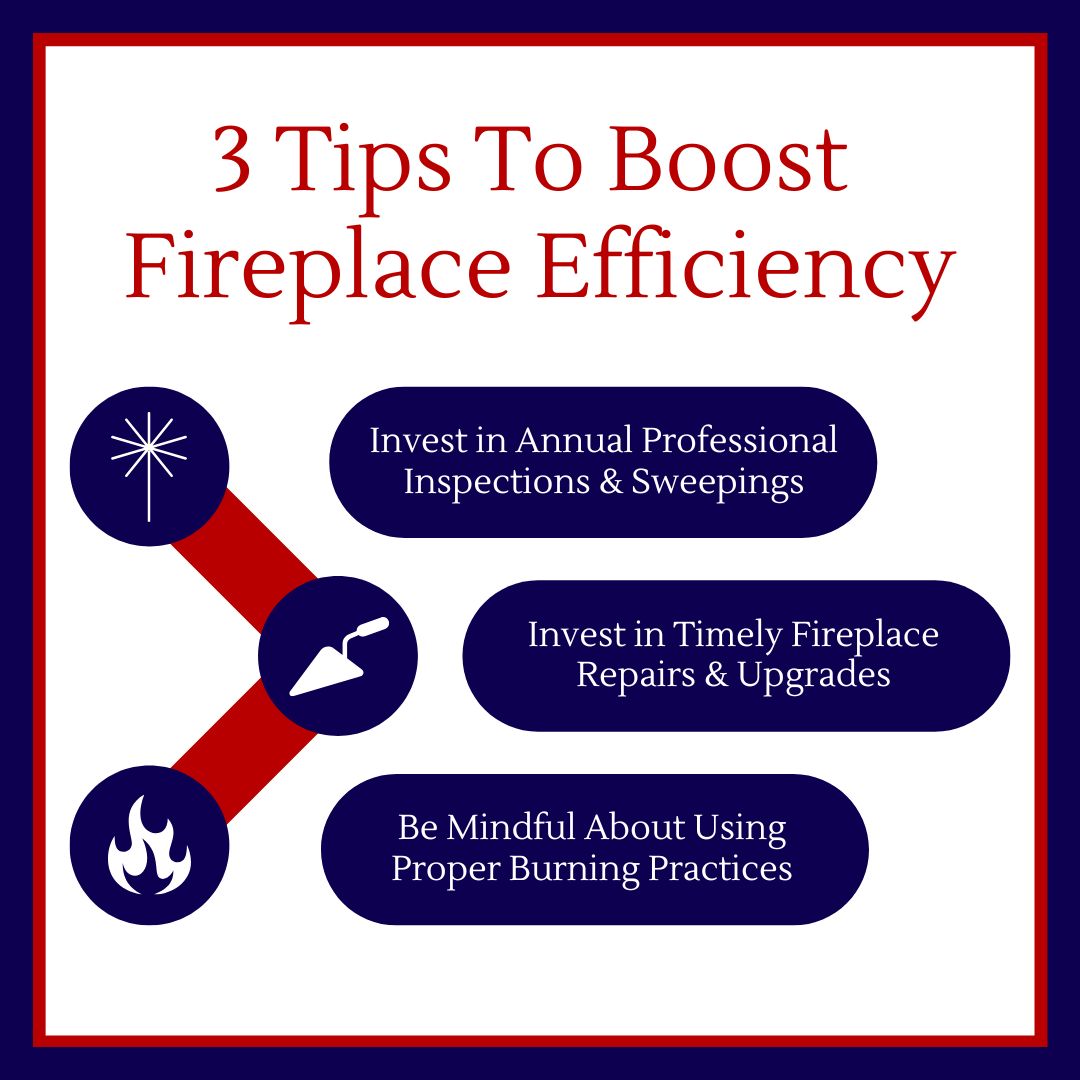
original infographic stating 3 tips to boost fireplace efficiency - invest in annual professional maintenance, schedule repairs swiftly, and practice good burning habits

Fireplace Efficiency Tip 1: Invest in Annual Professional Maintenance

Experts agree that the best thing you can do for your fireplace all-around is keep it well maintained. This entails annual inspections, sweepings, and smart updates and fixes.

Annual inspections by a CSIA-certified professional help ensure things are operating as they should. An inspector will check for cracks, blockages, deterioration, or structural issues. These issues, if present, can lead to heat loss, ventilation issues, and premature system breakdown. Having them identified early on can lead to swift remediation and a well-running system.

Having your chimney professionally swept is also essential to ensure it’s free from buildup that can block airflow and cause inefficiency (and present potential fire hazards). A clear chimney allows smoke to exit your living space as it should, and it promotes clean, efficient blazes.

Fireplace Efficiency Tip 2: Invest in Repairs & Upgrades

If an inspection reveals components that are damaged or worn, replacing them promptly is a good move. A damaged chimney cap, for instance, is a weak link that can allow debris into your system and cause blockages. Or a damper that no longer seals well won’t do as much to guard against inefficient air movement. Basically, you need each part of your chimney system to do its job well to maximize efficiency.

If your fireplace doesn’t have fireplace doors, installing them may be another smart system move. Glass doors designed for fireplaces are a fairly easy improvement, and they can significantly improve temperature regulation by creating a barrier to keep warmed or cooled air in your home – right where you want it.

Sometimes, an entire fireplace upgrade will be beneficial, even if all parts of your chimney system are intact. That’s because the chimney industry, like others, benefits from advances in engineering and technology. Consider adding a fireplace insert to your open fireplace, for instance, for more warmth in your living space. Inserts are designed to fit into existing, open fireplaces, and boast a range of benefits:

  • Typically, they come with blowers to help circulate air throughout the room.
  • They promote an efficient burn.
  • They don’t allow as much heat loss as a traditional fireplace, reducing the amount of energy needed overall. 
  • They also reduce drafts.
  • They provide a chance to introduce system changes or new features, like a change in fuel type.
  • They tend to be much more eco-friendly than older systems.

Fireplace Energy Efficiency Tip 3: Be Mindful of Burning Practices

How can you, the homeowner, ensure efficiency when using your fireplace?

Always open your damper when your fireplace is in use, and always close it when it isn’t. This will allow your fireplace to do its job, guiding smoke and combustion gases safely outside of your home, and help reduce energy loss when you aren’t using your system. If you struggle to remember this step, consider having an automatic damper installed.

Another important tip for wood-burning fireplaces is to use only well-seasoned firewood as fuel. Burning non-wood items (such as packaging, plastics, cardboard, or magazines) or treated wood can release toxins into the air in your home and increase the risk of an uncontained fire. And burning wet or green (freshly cut) wood is inefficient – your fire will spend its energy trying to zap the excessive moisture content rather than giving you a nice, cheery blaze. This means a weaker, smokier fire that is more likely to cause tarry creosote deposits inside your chimney.

Another efficiency consideration is air leaks at the edges of your fireplace. Over time, the seal around your fireplace might degrade, which can cause undesirable air exchange through the leaks. Seal these gaps with a suitable, high-temperature sealant to minimize or eliminate this issue.

Partner with Lord’s Chimney to Keep Your Fireplace Running Efficiently

Fireplaces add beauty and warmth to a home that goes beyond temperature regulation, but that’s no reason not to get the most warmth and energy-saving benefit that you can. A chimney system is surprisingly complex, and its role in keeping your home safer while you enjoy your fireplace is vital. That’s why we’ve invested over a decade in learning the industry inside-out.

If you have questions about system efficiency, require a chimney cleaning or inspection, or are looking for an installation or upgrade, we’re the team to call on. Expert, local, customer-oriented service with your safety and needs in mind – that’s what you can expect from Lord’s Chimney. Reach out now.
Electric vs. Gas Fireplace: What’s Right for You?

Does your wood-burning fireplace often sit unused because of the time investment of building and maintaining a fire? Are you considering an upgrade to boost energy efficiency or to redesign the look and feel of the room? Or maybe you’re in the market for a new heating appliance, and are wondering which type of fuel will serve you best.

While the craving for warmth is as old as humanity itself, fireplace technology continues to change with the times. For instance, the push toward electrification for its economic and environmental impact has opened the market for impressive electric models that put the heat output and stylistic options of older models to shame.

If you’ve been weighing the benefits of gas and electric heating, be assured that both are compelling options that can add beauty, ease, and comfort to your home – and sustainability, too. With their distinct advantages, you’re free to explore which would fit best into your lifestyle and situation knowing that both are strong choices.

original infographic answering the question "what is electrification"

What Is Electrification?

As homeowners increasingly prioritize sustainability, many are considering a move away from fossil fuels towards electric solutions. This trend is called electrification, and it’s motivated by a desire to reduce carbon footprints and explore renewable energy sources.

Since electric fireplaces align with the wave of electrification, manufacturers are increasingly designing models with eco-conscious features. Another cool change in heating? Fireplaces are becoming more integrated into automated home systems, allowing homeowners to control their fireplace’s operation more efficiently – and conveniently.

It’s a good time to be a fireplace lover!

Gas vs. Electric…Which Is Better?

Let’s consider the pros and cons:

Electric Fireplaces

Pros:

  • Ease of use. This is basically unmatched in electric fireplaces. Plug your into an electrical outlet, push a button, and you’re in business. No venting, instant ambiance. This also makes electric fireplaces a prime option for renters.
  • Low maintenance. With electric, you aren’t scooping ash or maintaining a chimney – in fact, there’s very little maintenance involved.
  • Safety. With no gases to vent and no live flame, electric fireplaces and inserts pose little hazard. They also operate at lower temperatures.
  • Energy efficiency. All electricity used to operate an electric fireplace is converted directly into heat. Plus, adjustable settings give you control over heat output.
  • Environmental friendliness. Electric fireplaces don’t burn fossil fuels, and no emissions are generated within your home.

Cons:

  • Heat output. Electrical is a nice heat source, but an electric fireplace usually isn’t the best option for heating large spaces. They are great for smaller rooms or as a supplemental heat source, however.
  • Energy dependence. Electric fireplaces are firmly situated on the grid, so if you have concerns about interruptions to electrical service, an electric fireplace won’t be able to help you out there.
  • Flames. You aren’t getting the real thing here. But it’s worth checking out how far the effects have come – LEDs can’t entirely mimic a fire, but they can give you a nice, enticing glow.

Gas Fireplaces

Pros:

  • Flame appearance. Gas fireplaces feature natural flames that more closely resemble a wood-fueled fire – and the flames are often adjustable and anchored in realistic-looking decorative logs to model the ambiance of a wood fire (without the hassle).
  • Heat output and efficiency. You’re going to get substantial heat output from a gas fireplace. This grants the ability to heat larger spaces and rely more heavily on your fireplace as a primary heat source. Plus, it’s much more efficient than a traditional, open fireplace.
  • Heat control. Adjust the temp and flame height from the comfort of the couch? Yes, please. Gas can make that happen.
  • Independence. Most models will be able to continue to work and provide heat during electrical outages.
  • Relative environmental friendliness. Gas fireplaces are cleaner than wood-burning ones, with higher efficiency and fewer emissions produced.

Cons: 

  • Installation. Gas fireplaces will be a bit more involved to have installed than electric ones, and therefore (most likely) more costly as well. You need to have a gas line, venting systems, and all safety measures in place.
  • Maintenance. Gas will require more maintenance than electric, but far less than wood burning units.
  • Carbon emissions. It might sound like a skipping record, but as with maintenance… gas will produce more carbon emissions than electric, but fewer than wood burning units. The environmental impact’s much lower than that of burning wood, but it isn’t entirely carbon-free.

So, Which Is Best: Electric or Gas?

What’s true of the options available decades ago isn’t exactly the same today – and that’s a good thing! The possibilities in terms of efficiency, features, aesthetics, and overall design have expanded. While that’s good for consumers, it also leaves them more to navigate. 

So, what’s best? This decision depends on you! What are your needs and priorities? Are you after a less-involved installation process? Greater heat output? What’s the style and feel you’re trying to achieve? As you can see, gas and electric both have a great deal to offer. It’s just a matter of finding what’s the best fit for you.

Work With Lords Chimney Today

Whatever you choose, now is a great time to upgrade or bring the warmth and ambiance of a fireplace into your home for the first time. And if you still have lingering questions, there’s no pressure to make the decision today. Explore your options, consider your needs, and talk to our friendly pros to learn more about the possibilities for your space.

Call or schedule with us online today.

Fireplace Don’ts: How Not To Use Your Fireplace

There are any number of great ways to use your chimney…pushing back the darkness of lengthening nights, easing into morning with a crackling fire and cup of coffee, settling the ambiance for an evening with friends – just to name a few. But before you add a log to the fireplace and light things up, let’s take a moment to acknowledge there are also some ways not to use a fireplace. Thankfully, by keeping a few key “don’ts” in mind, you can fully enjoy all those delightful (and safe) fireplace uses.

Need to book chimney services with our experts? Give us a call or book online today.

original infographic stating dos and don'ts for fireplace care

1. DON’T Use the Wrong Fuel

Be sure to use only the fuel your fireplace unit was designed to burn. If your unit is wood-burning? Then wood is your friend – but remember that not every type of wood is fireplace-friendly. Never burn treated or painted wood of any kind. The products used to treat wood aren’t intended to be burned, and especially not in a living space. They can release harmful chemicals.

And no matter the type of fireplace you have, garbage is never an option for fuel. It may seem harmless to toss in cardboard boxes, junk mail, or something else you want to dispose of, but some of these items will release a lot of smoke – and potentially toxic fumes, as well. They can also burn unpredictably, getting very hot very quickly, or send floating pieces of burning matter up your chimney.

Another item to avoid? Accelerants. Products such as lighter fluid may add ease to fire-starting, but they are not designed for fireplaces. They can burn hot enough to cause damage, and are more challenging to control than the safer option – kindling.

What you should burn in a wood fireplace is seasoned firewood. Wood that’s newly cut or damp won’t burn efficiently, and the smoke it releases can condense as creosote that accumulates on your interior chimney walls. Since creosote is highly combustible, you really don’t want it there! Seasoned firewood is simply wood that’s been dried to an appropriate level of moisture to burn hot and clean – making for a safer, more pleasant fireside experience.

2. DON’T Overstuff the Firebox

If you put too many logs into your fireplace, it can restrict airflow to your fire. The result? Poor combustion and smoke that could become a very unwelcome – and potentially lingering – house guest. Worst case scenario, a piece of firewood could roll out of an overstuffed firebox mid-burn.
Instead, neatly stack an appropriate amount of firewood to allow for proper ventilation, and feed your fire steadily to keep it at a level you like.

3. DON’T Keep Your Chimney Sweep Technician at a Distance

Did you know that the self-cleaning oven was invented in 1963? If only everything in our homes could be self-cleaning! Unfortunately, your chimney needs some hands-on sweeping services – and not just to keep it tidy. Ignoring this type of maintenance can leave creosote buildup, debris, and other obstructions in place. These can cause chimney fires and impact ventilation, so don’t let the dark corners of your chimney get overlooked!

You should also get professional eyes on your chimney annually for a chimney inspection. This is an investment that pays itself off in several ways: preserving the soundness and safe function of your chimney, ensuring efficient operation, and potentially avoiding costly repairs associated with deterioration.

Simply put, having routine inspections and sweepings is an essential practice for keeping your system safer, functional, and efficient for the years ahead. Our CSIA certified technicians provide outstanding service and always bring the same level of professionalism and care to any job, big or small.

4. DON’T Set Up Camp Too Close

The glow of the fire is lovely, but should be enjoyed from a reasonable distance. All combustible items such as furniture, books, garlands, curtains, and decor should be at least three feet away from your fireplace. These items could easily catch fire if they meet a wayward spark or are exposed to excessive heat.

Speaking of sparks, don’t neglect your fireplace screen. Not only can fireplace screens be a nice addition to a room’s decor, they do a good job acting as a guard against sparks or embers coming into contact with items you don’t want them to.

5. DON’T Leave the Fire Alone

I know, we just said not to get too close…but don’t go too far either! If a fire is going, there should always be an adult capable of tending it in the room too. Before going out or turning in, make sure that your fire is safely out.

6. DON’T Neglect the Smoke Detectors

You hope they’ll never need to go off, but you’ll be so thankful they do if the need ever arises. Make sure your home is protected with thoughtfully placed smoke and carbon monoxide detectors. Check the batteries as a matter of routine, and replace them often as recommended by the manufacturer.

Do Enjoy Your Fireplace for All It’s Worth

Fireplaces open up a whole new world of comfort. We’re dedicated to helping you enjoy that comfort as safely and fully as possible. Don’t let misuse cause damage to your fireplace or home – but don’t let misgivings keep you from using it, either! If you have questions or concerns about best fireplace practices, reach out. We’d be happy to help meet your fireplace needs.

Structure Fire vs. Chimney Fire: What’s the Difference?

The only fire you want in your house is one safely contained in your fireplace, a candle, or something similar. So why bother differentiating between types of fire?

At Lord’s Chimney, we believe knowledge is power when it comes to fire safety. Understanding a bit about different fires and how to prevent them can help you protect your home and family. For homes with fireplaces, chimney fires are a relevant category to learn how to prevent and what to do should one occur.

Structure Fires vs. Chimney Fires

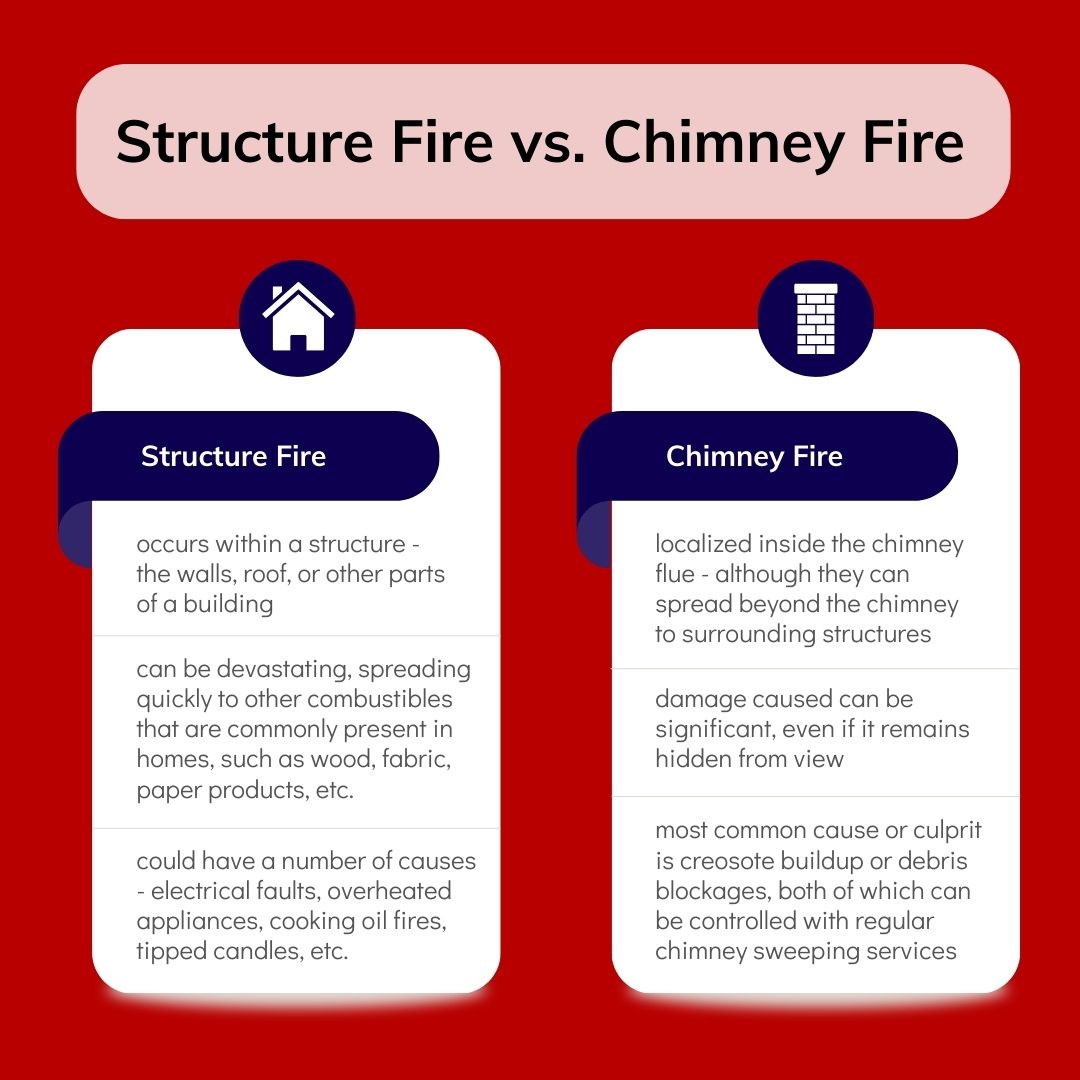
original infographic highlighting the differences between structure fires and chimney fires

Most of the time when we hear about a house fire, a structure fire is what comes to our minds. A structure fire is a fire that occurs within a structure – the walls, roof, or other parts of a building. Fires like these can be devastating, spreading quickly to consume combustables that are commonly present in homes, such as wood, fabric, or paper products.

Structure fires can have a number of causes ranging from electrical faults to overheated appliances, cooking oil fires to a candle out of control. It’s important to exercise preventive fire safety in the home, and also to know how to respond to different types of fires should one occur.

Chimney fires are localized inside the chimney flue, although they can spread beyond the chimney into surrounding structures. Localized doesn’t necessarily mean little damage though – the damage caused can be significant even if it remains hidden from view…and especially if left unaddressed.

The most common culprit in a chimney fire is creosote. Creosote is a dark, tarry substance that accumulates as a byproduct of combustion on the walls of a chimney flue. If creosote builds up, it only takes a spark or excessive heat to ignite it, so frequent chimney sweeping is key to preventing chimney fires. This service also allows us to remove other fire hazards, such as nests, twigs, leaves, and other debris.

Fires & Your Home: Insurance Matters

When it comes to insurance, the type, nature, and cause of a fire can impact how a fire-related claim is handled. Keep in mind that policies vary, so be sure to get familiar with the details of your particular insurance provider and policy.

Homeowners insurance policies usually cover structure fires, since these are considered sudden and accidental occurrences. Unexpected events can’t have been reasonably foreseen or prevented. However, it’s possible that insurers would investigate the cause of the fire to examine whether negligence was involved.

Chimney fires… Well, they can be a bit more complicated from an insurance perspective. Chimney fires are often linked to lapses in maintenance, and therefore might be more closely scrutinized. Some policies require proof that regular inspections and maintenance were carried out. If it’s determined that poor maintenance contributed to the fire, an insurance claim may be denied or reduced.

There are a lot of reasons to be diligent about chimney inspections, sweeping, and maintenance. Chimney fire prevention is one, but should a chimney fire occur, proper chimney care will also help ensure that you’re protected and able to make repairs without the additional burden of financial strain.

Preventing Fires: Proactive Measures for a Safer Home

Preventing structure fires may require a number of steps:

  • Make sure your home appliances are operated and maintained according to manufacturer instructions.
  • Inspections may be necessary – having a certified pro examine electrical systems and wiring can head off dangerous issues.
  • You should maintain proper clearances around your fireplace and cook with caution.
  • Never leave an open flame unattended anywhere in your home.
  • Installing smoke detectors in all recommended locations in your home and testing them regularly is an important step too, since early detection can save harm to property or life.
  • Equipping your house with fire extinguishers in key areas (kitchen, garage, fireplace) and making sure you know how to use them is also an important protective measure.

For preventing chimney fires, enlisting the help of a CSIA certified chimney technician makes all the difference. Chimneys in your home should be inspected annually and swept frequently by a pro. Not only will this help identify creosote buildup or other risk factors (and remove them), it’ll help ensure the efficiency, structural integrity, and longevity of your chimney and keep it running smoothly for years to come.

Another important measure to guard against fire is to only burn high quality fuel – dry, well-seasoned firewood. This will burn more cleanly than green or damp wood, producing less creosote.

We’re Here To Help

At Lord’s Chimney, we’re committed to helping you enjoy your fireplace safely. As experts in all things chimney, we provide thorough inspections, excellent cleanings, and top-notch repairs. By staying informed and proactive about chimney care and safety, your fireplace can remain a haven of comfort and warmth all through the burning season. 

Need a chimney inspection? Repair? Fireplace facelift? Get in touch today. We’re here to serve, and your safety is our top priority!

Sealing Your Chimney With HeatShield: Why It’s Effective

Does your chimney liner need some repair work? In our Houston market, especially, mortar joints tend to get worn away quickly, leading to products of combustion – like soot and sparks – escaping into areas of your home.

If this is the case for you, HeatShield may be the answer you’re looking for. HeatShield fills those holes and seals the flue, leaving your chimney with a hole at the bottom and a hole at the top with no holes in between – just like it should.

Questions? Give us a call or reach out online today – we’re here for you.

What Is HeatShield?

We tell customers to think of their chimneys like giant straws that pull smoke straight up and out of your home. If there are gaps or holes present, smoke will escape through this on its way up and out. If you’ve ever tried drinking through a straw with holes throughout it, then you know how inefficient it can be…your chimney is no different.

HeatShield is a specialized product designed to repair and restore the integrity of chimney flues by sealing gaps, cracks, and deteriorated mortar joints in masonry chimneys. It acts as a protective barrier, preventing dangerous gases, smoke, and sparks from escaping into the home, while also helping to improve the chimney’s overall efficiency.

What does HeatShield protect against?

  • Exposure to harmful and poisonous chemicals 
  • Loss of heat production/system inefficiency
  • Risk of chimney fires

What Are the Consequences of Using an Unsealed Chimney?

Check out these potential real-life scenarios for those who ignore chimney liner damage:

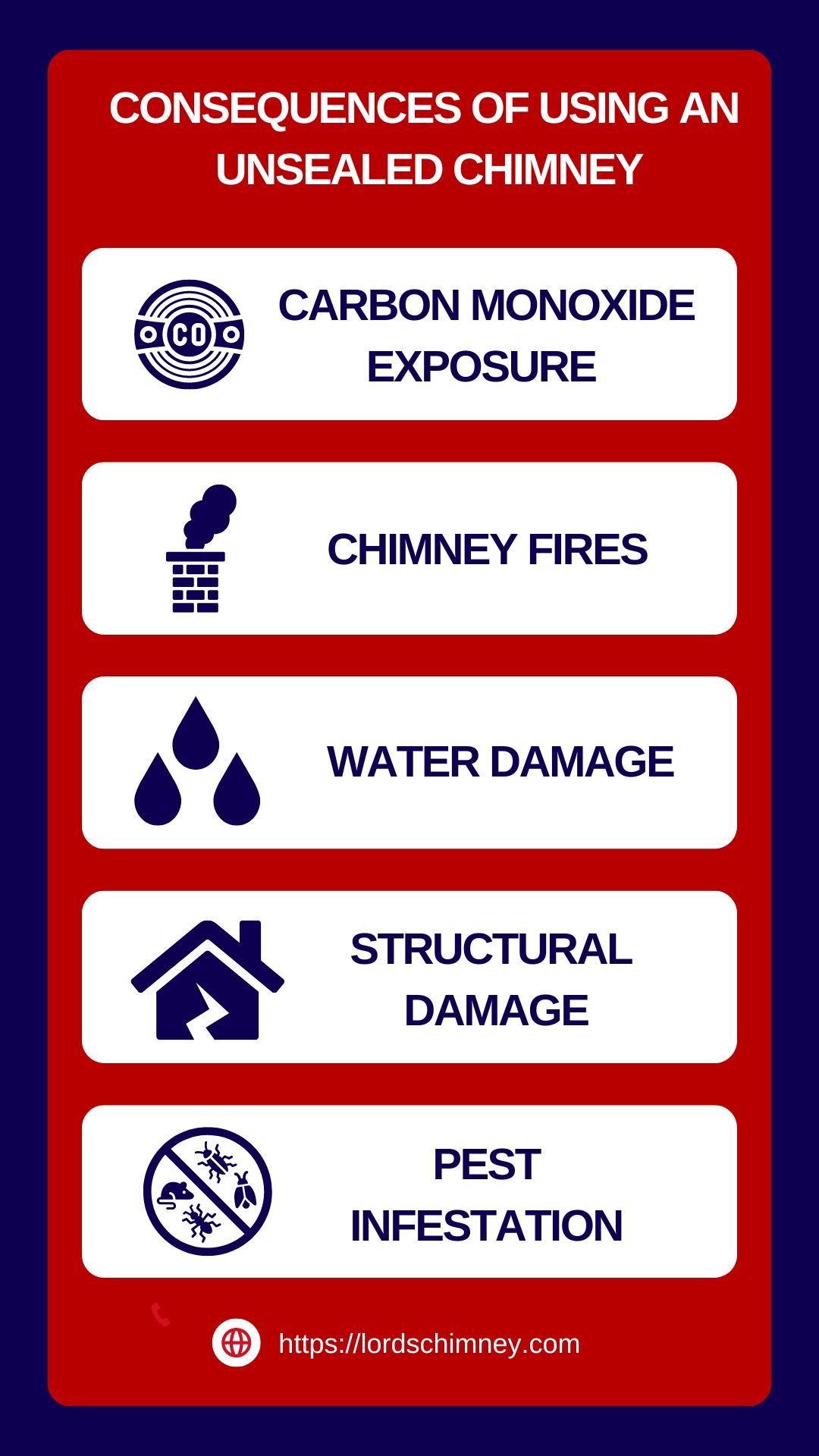
  • Carbon Monoxide Poisoning: A family of symptoms associated with carbon monoxide poisoning, includes headaches, dizziness, and nausea. The cause was traced back to a cracked and unsealed chimney liner that was allowing dangerous gases to leak into the home.
  • Chimney Fires: A homeowner noticed a strong smell of smoke inside the house, which led to the discovery of a small chimney fire. The fire was caused by creosote buildup in an unsealed chimney that had not been properly maintained. The fire damaged the chimney structure and could have spread to the rest of the house.
  • Water Damage: A homeowner experienced significant water damage in their living room after heavy rain. The source was found to be an unsealed chimney that allowed water to seep into the walls, leading to mold growth, staining, wood rot, and deterioration of the home’s structure.
  • Structural Damage: A homeowner found cracks in their home’s foundation and walls. The underlying issue was traced back to an unsealed chimney that had allowed moisture to penetrate the bricks and mortar, causing them to weaken over time. This compromised the structural integrity of the home and required expensive repairs.
  • Pest Infestation: A family dealing with a sudden infestation of birds and small animals discovered that their unsealed chimney was the entry point. The chimney had gaps and cracks that provided easy access for pests, leading to nests inside the chimney and unpleasant odors throughout the house.
original infographic stating what can go wrong in an unlined chimney

How Do I Know if HeatShield Is Right for My Chimney?

That’s kind of the tricky part – unless told by a professional after performing a thorough inspection of your fireplace and chimney system, you wouldn’t. That’s one of the main reasons we suggest staying on top of your annual sweepings and inspections. Like so much else when it comes to chimney repairs, issues, and maintenance, it’s sometimes very hard to know what exactly you’re looking at…let alone discern what your options are for fixing or restoring it.

However, if you notice that you have a metal flue liner, you can be sure that HeatShield is not an option for you as their products only work in chimneys that are unlined or have a damaged clay tile liner.

Is HeatShield Relining a Good Long-Term Solution for Chimney Repair?

As long as you work with a certified, professional chimney service company who are applying HeatShield’s patented Cerfractory material, HeatShield is a wonderful investment for long-term chimney repairs. Because of the innovative blend of ceramic and refractory materials, HeatShield products restore your system to its optimum condition and efficiency and thus eliminate the dangers that a damaged flue liner poses by effectively sealing the cracks, gaps, and separations.

Reach Out to Lords Chimney Today

If you have questions for our team, don’t wait to reach out. We’re here and happy to have your back!