
Should I Switch to a Top Sealing Damper?
According to The National Association of Realtors (NAR), a property’s value can increase an additional $12,000 when a working fireplace is in the home. Not only do they improve aesthetics, but they help create a more comfortable home and can help lower energy costs. However, there are some downsides to having a chimney in your home…
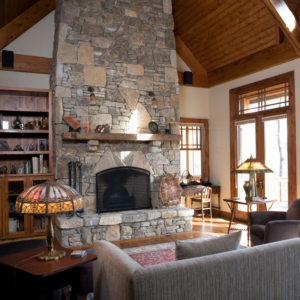 Chimneys offer a path to the outdoors. Which means, when temps are cooler, that cold air can pass through the chimney and make your house appear colder than it actually is. And the opposite is also true when warm air seeps through on hotter days – you’ll need to kick up the air conditioner, which then ups your bills.
Fortunately, there’s a solution to this issue – top sealing dampers.
What Is the Role of Fireplace Dampers?
A fireplace damper works as a door to allow flue gases and smoke out when your fireplace is hosting a fire, and to keep cold or warm air from entering the home while the fireplace is not being used. Most masonry fireplaces in homes typically have a throat damper, but sweeps nowadays are encouraging homeowners to switch to a top sealing option.
What’s the difference between the two? Well, to start, a throat damper is located right above the firebox. A top sealing damper, on the other hand, is located at the top portion of the chimney – hence the name. And, while throat dampers have been offering suitable protection for decades, there’s no denying a top sealing damper simply does a better job.
Top Sealing vs Throat: Why Is a Top Sealing Chimney Damper Better?
A traditional throat damper over time can warp, become stuck or jammed, or rust from exposure to moisture and extreme heat. All of these things cause a less efficient seal, which can then lead to all kinds of problems. A top sealing damper, on the other hand, is made of stainless steel, so rust or corrosion is not a problem. It also has rubber gaskets designed to create an airtight seal between the chimney flue and the outside.
How else are top sealing dampers better than throat fireplace dampers? Here’s what you need to know:
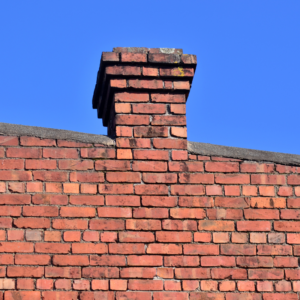 Save More on Energy: Top sealing dampers help save energy due to the airtight seal they provide. This means they close the entire length of the fireplace, including the neck or the flue system. As a result, there is zero air moving through the chimney, which ensures the interior temperature of the house isn’t affected at all. Throat dampers definitely can’t offer this heightened level of protection.
- Prevent Interior Damage: Like we mentioned, a top sealing chimney damper seals the full length of the chimney. This means that you’re closing the pipeline from the very top, thereby protecting the flue system from outside elements when not in use. Just imagine the amount of moisture that can enter inside the flue system if you’re using a throat damper. Leaves, tree limbs, birds and animals could enter and create a blockage, leaving you more vulnerable to experience smoke in the home or a chimney fire. Having a top sealing damper gives you more peace of mind,
- Improved Life Expectancy: Left to the elements, the fireplace flue system can be easily damaged. Animals, debris, and water can enter, encouraging mold growth and causing the brick system to break down. A throat damper needs to be checked frequently for wear and tear. In contrast, the top sealing damper should have a longer service life and fewer structural problems during its lifespan. Not only will the damper last longer… your chimney will too!
When To Switch to a Top Sealing Fireplace Damper
If you have an older home, chances are you have a throat-sealing damper. If you’re having the chimney repaired, or even cleaned, this may be the perfect time to make the switch from a throat damper to a top sealing alternative. Creating the change isn’t hard, won’t take more than a day, and can be easily integrated during normal maintenance procedures.
Most chimney professionals in Houston recommend using top-sealing dampers for all of the reasons above. They’re simply easier on your property as a whole. By making the switch, you’ll find that keeping your chimney in good working condition is much easier, and you’ll be able to use your system with ease and peace of mind year after year.
Contact Us Today for a Consultation
With energy prices continuously rising, we understand the value of producing top-quality work that helps achieve energy efficiency goals for every household. We’re committed to helping you achieve the results you’re hoping for through quick, quality, and reasonably-priced work. Contact us today for a consultation!