The Easiest Way to Keep Swifts, Animals & Water Out of Your Chimney
Sick of birds setting up camp in your flue? Are squirrels and other critters scrambling throughout your chimney? Stressed about water-related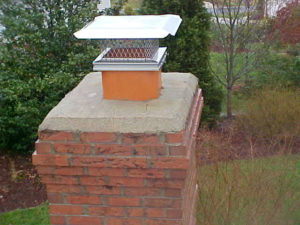 masonry damages this fall? An easy way to resolve all of these worries is to invest in a high-quality, sturdy chimney cap and to have our team of professionals install it for you.
Not sure where your current cap stands or whether or not it’s actually being effective? We’re here to help. Learn more about chimney cap basics below, then reach out to our crew with any questions. We’re always eager to lend a hand and keep our customers safer, more knowledgeable, and completely prepared for it all.
Matching the Right Cap to the Right Chimney
Now, not all caps are created equal, and the type of cap you’ll need will depend on the type of fireplace you have. If things aren’t matched up appropriately, you’ll end up with a lot of issues, and you’ll invite all kinds of hazards and dangers into your home. Fortunately, we know all there is to know when it comes to fitting the best cap for your system, so you’ll be in good hands when you hire our crew for the job!
The biggest thing to remember is that, no matter what type of chimney or fireplace you’re using, a cap is always a must-have component. Without one in place, those birds and woodland creatures will have easy access to your home, and you’ll find yourself with excessive water damage and debris build-up, too.
If a bad storm blew your cap off or if yours seems damaged or misplaced, please don’t hesitate to call us in. We would be happy to look things over and see where you stand, then suggest further services that are best suited to your needs.
How Do I Know I Have the Wrong Cap?
If you have water coming into your home, or if you’re experiencing clogs, then that’s a clear indicator that your cap may need some adjustments. Other common problems we see are issues with the screening. Every chimney needs the right amount of screening, as well as the right type of screening, and without it, your chimney won’t be able to perform properly.
Usually these problems occur when chimney experts are not the ones hired to handle the task of keeping pests out of the chimney. Now, pest control professionals definitely know how to keep pests out of the home, but when it comes to chimneys they often get it wrong.
Essentially, if your screen is prone to experience build-up or if it lays flat, you’ll end up with issues. In both of these cases, nesting materials will block air, and you’ll have smoke backing into your home before you know it.
And while roofers offer some effective temporary fixes, most won’t do much for you long-term. We’ve even seen some take off the right cap and replace it with something less effective! Not good. In the end, hiring a CSIA certified pro is always the best route to take.
Is a Full-Coverage Cap Worth the Expense?
Now, as long as homeowners have some type of cap (whether that be single-flue, an umbrella type, or something else), we’re happy. That being said, you may find yourself replacing the less expensive, simpler models more often, and they aren’t always as effective as covering all of your bases (i.e. preventing animal entry, blocking out debris, stopping water damage, etc.).
The best route is always going to be investing in a full-coverage cap that keeps anything and everything that’s harmful away from your structure. It’s best for the design of the chimney, and it will save you money over time, both on repair/replacement costs and on damages that could occur throughout the system.
Should I Be Worried About Chimney Swifts?
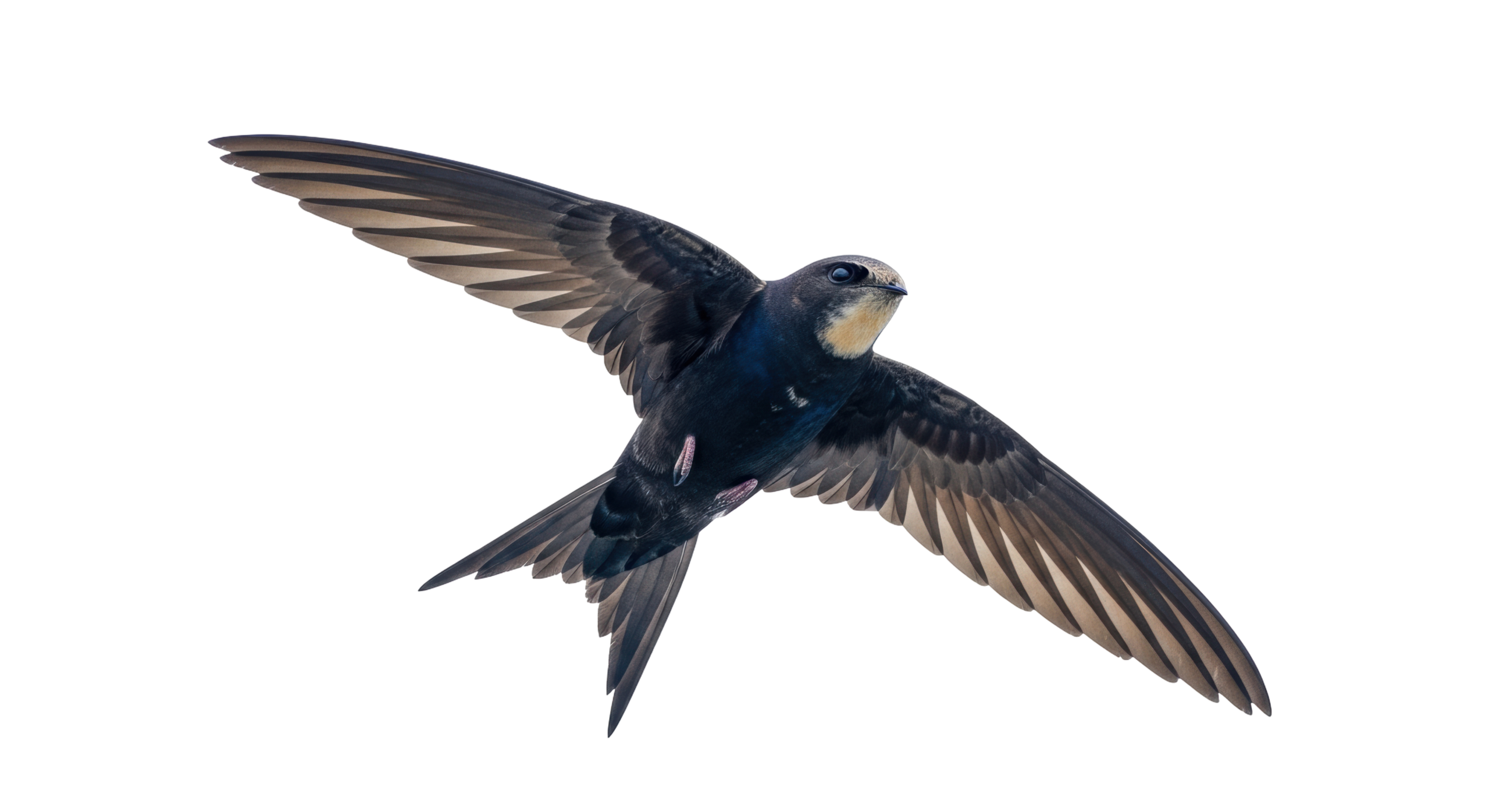
Now, one of the animals we worry most about in terms of your chimney is the chimney swift. These small birds may seem like nothing to stress about (especially compared to raccoons, bats, and other bigger critters), but the truth is that removing them isn’t as simple as you might think.
You see, chimney swifts are protected under the Migratory Bird Treaty Act, so once they establish themselves in your chimney, we can’t legally remove them. They’ll have to stay put until they leave on their own, after which we can remove their nests, so you aren’t left with any fire hazards.
And don’t think you’re off the hook once they’re gone! Once they’re done migrating, they’ll want to come right back to the same place they left, so preventing their entry is essential. That’s where an effective cap comes into play. Let us ensure you’re set up right, so you don’t have to deal with the hassle.
Our Qualified Techs are Ready to Serve
You won’t find a team in the Houston area that is more knowledgeable than ours. We have the experience, training, and expertise to ensure all of your chimney-related needs are addressed before your holiday season really takes off. We’d be happy to help you out soon, so please reach out now!