Answering Your Waterproofing Questions
There’s never a bad time to think about chimney care, and one of the most common issues homeowners face when it comes to chimney damage is water exposure. The Chimney Safety Institute of America (CSIA) has actually named water chimney’s biggest enemy, so you know leak-related damages are nothing to underestimate!
And what’s one of the most effective ways to prevent water damage? Chimney waterproofing!
How does water damage my chimney? (And how can I spot it?)
Here’s the lowdown on the more common ways water damages your chimney…
- Rust: Your chimney cap, chase cover, flashing, and damper are all much more likely to experience rust (and not be able to effectively do their jobs) if your system isn’t adequately protected.
 Wood Rot: As water damages your chimney, it won’t be long before it starts working its way into your home, as well. This results in any adjacent woodwork becoming weakened and rotted.
- Wall/Ceiling Stains: And speaking of home damage, you’ll probably notice water stains on your walls and ceiling, too!
- Clogging: As your system breaks down, you’re more likely to have pieces of your clay liner fall into your chimney and clog things up. A clogged chimney is never a good thing, and it can put your chimney, home, and family at further risk every time you light a fire.
- Cracks & Crumbling: Your masonry is sure to break down the more it soaks in moisture. This results in hazards like smoke in your home, carbon monoxide leaks, house fires, and more… and it’s where chimney waterproofing really comes into play!
- Tilted or Collapsed Hearth: In the end, the longer any damages go unaddressed, the worse off your system will be – and the more likely you’ll wind up facing some serious damage down the line.
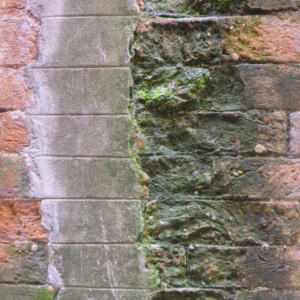
As for spotting it, be sure to keep an eye out for discoloration on your brickwork. It could be green, which indicates mold or vegetative growth, or you may even notice some white efflorescence, which is a clear indication that water is wreaking havoc.
You might also notice water pooling in your fireplace or hear dripping coming from the inside. This is a good indicator that your cap is damaged or potentially missing altogether.
Smelling something unpleasant? Water can mix with your creosote to create bad campfire-esque smells, or you may notice some musty/moldy odors, too.
Finally, be sure to keep an eye out for obvious signs of cracking, decay, or crumbling. If your bricks are missing or cracked, or if your mortar joints seem to be falling out and deteriorating, then water is the likely culprit, and you’ll need some repairs completed before moving forward with any fireplace usage.
My chimney’s already leaking… Should I schedule repairs first?
Yep! Repairs should be completed before investing in waterproofing to ensure the most effective results. Fortunately, the team at Lords Chimney is qualified to address just about anything you’d need done, so you can work with us from start to finish – no matter the current state of your chimney.
Call on us for tuckpointing, flashing repairs, chimney cap replacements, crown rebuilds, and more. We’re confident we can handle whatever you throw our way!
Can I just use my own chimney sealer?
Are you known throughout your neighborhood for tackling an endless line of DIY projects? If so, you’re probably thinking… why not just buy my own sealant and do the job myself? This isn’t an uncommon thought for homeowners in our service area, and while it sounds foolproof enough, it’s not something we recommend.
One issue with these store-bought products is that many leave behind an unsightly film or glossy shine, which is is the last thing you want in a masonry structure. Some can even cause discoloration, leaving you with more of a mess than you started with.
The bigger problem, though, is that the waterproofing products need to be vapor permeable, otherwise your chimney will continue to suffer. Professional waterproofing products are formulated to meet these requirements, ensuring any moisture already trapped inside of the brickwork can still eventually vent out.
Long story short – your brickwork needs to breathe! This is why trusting a professional throughout the process is so important. …and why store-bought products can wind up causing more harm than good.
My chimney’s held up for years… Do I really need waterproofing?
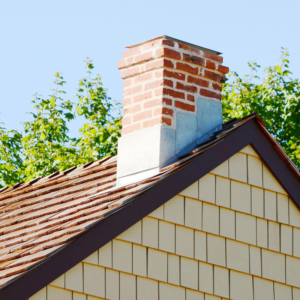 Yes! Bricks are known for their strength and durability, but bad weather and moisture will always win out in the end. Chances are your system has, in fact, already suffered quite a bit of damage. You’re just not noticing it because it’s hidden or in the form of small, hard-to-notice cracking. Unfortunately, there will come a time when these minor issues turn into big (and expensive) repairs. And the longer you put off repairs, the worse off you’ll be.
In fact, not only is waterproofing a must, but so are annual inspections. Like we said, damages can easily remain hidden for quite some time, so you could be at risk every time you light a fire without even knowing it. It’s through these seemingly minor damages that smoke, fumes, toxic gases, and fire can escape into your home and put those within it at risk.
Is my masonry the only thing to waterproof?
In addition to the sides of your masonry chimney, we also recommend waterproofing your crown and your chimney flashing. The crown is what actually directs the water away from the sides of your brickwork, and the flashing protects the vulnerable spot where your roof and chimney meet, so both play a vital role in leak prevention – and need adequate protection because of that.
Does my prefab chimney need waterproofing?
Since your chimney chase isn’t made from brick and mortar, our masonry waterproofing products obviously won’t be as useful on a prefab chimney. That said, prefab systems still need protection from water damage! What will be most beneficial is a quality chase cover, which is essentially the crown of a factory-built set-up.
Most systems come with their own chase cover, but these stock models don’t typically hold up for very long. Investing in a long-lasting, high-quality model (and having it professionally installed) is always going to be your best bet – and it will save you hundreds in repairs down the line.
Contact Us Today for Exceptional Care
Need chimney care this spring and summer? Now’s the time to call! Reach out soon, so you’re all set and ready when the busy fall season comes back around. We look forward to speaking with you!